
RFID Protection Wallet & Faraday Card Shielding Guide
Safeguarding Your Cards from Electronic Pickpocketing

Akash Arora
Technical Contributor & Engineer
- #RFID Wallet
- #Digital Security
- #Electronic Pickpocketing
- #Card Protection
- #RFID Technology
- #Personal Security
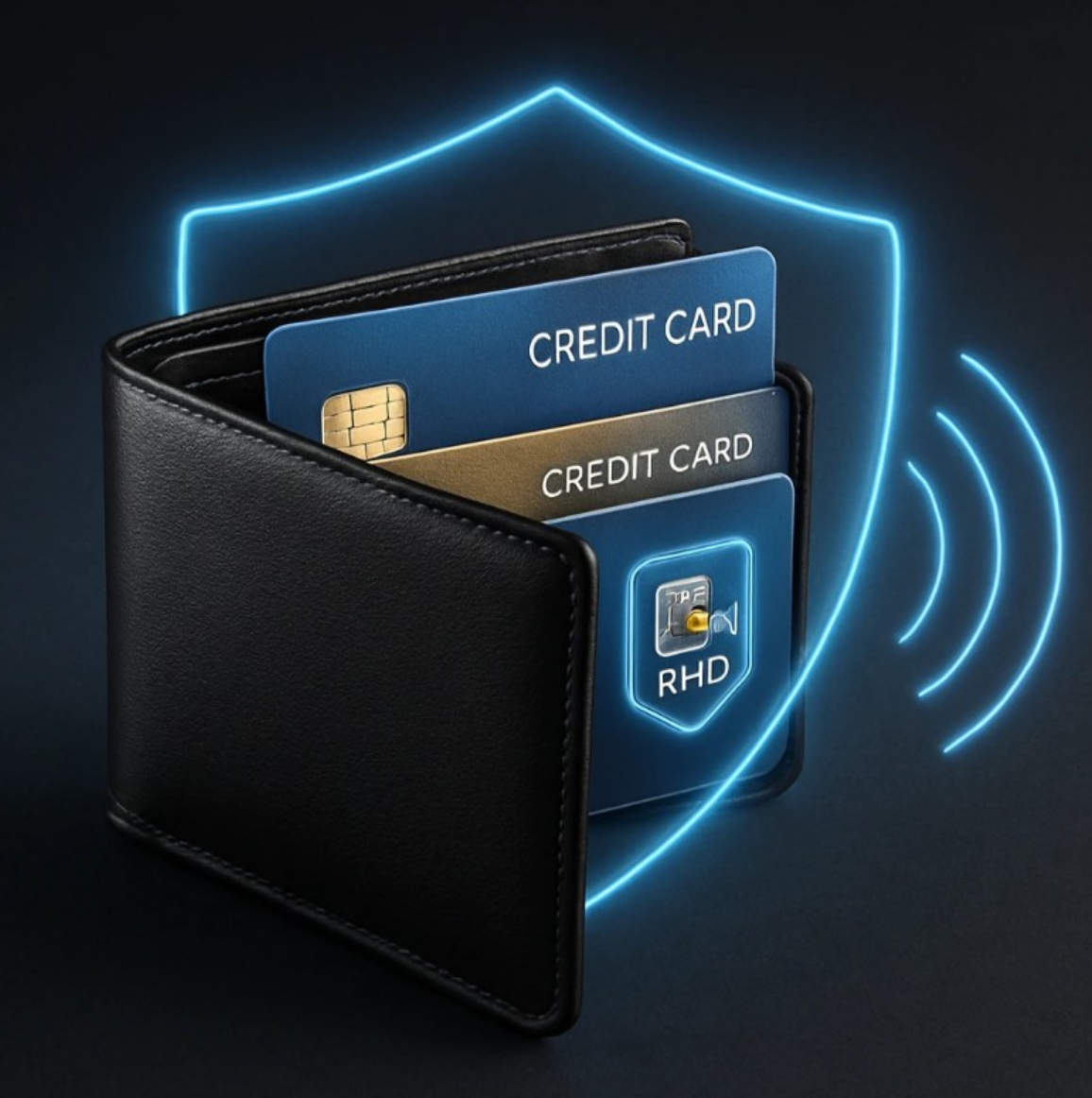
Faraday signal-blocking wallets have become an essential accessory in our increasingly digital world, offering crucial protection against electronic pickpocketing and unauthorized card scanning. These specialized anti-skimming cardholders incorporate advanced shielding technology to block electromagnetic radio signals, preventing cybercriminals from remotely accessing your credit cards, debit cards, and contactless transit passes. The growing prevalence of tap-and-go payment systems and digital credentials has made signal shielding more important than ever. Modern protective wallets combine security with style, featuring sleek designs that do not compromise on functionality while providing peace of mind in crowded public spaces. Understanding how contactless shielding works and choosing the right cardholder for your needs can significantly enhance your personal security in today's connected environment.
How RFID Wallets Work
Understanding the Technology Behind the Protection
Faraday signal-blocking wallets incorporate conductive metallic mesh or carbon-infused fabric liners that create a continuous electromagnetic shield around your payment cards. This protective layer attenuates 13.56 MHz high-frequency radio waves, rendering contactless smart chips invisible to handheld scanning devices and skimming attempts in crowded public transit hubs.
Types of RFID Protection
Choosing the Right Level of Security
Electromagnetic shielding accessories range from ultra-slim aluminum cardholders to leather bifold wallets lined with multi-layer copper-nickel fabric. Enterprise security standards certify shielding effectiveness across both 125 kHz low-frequency access badges and 13.56 MHz ISO 14443 contactless credit cards, ensuring full spectrum coverage.
Benefits of Using RFID Wallets
Beyond Basic Card Protection
In addition to safeguarding personal financial data against illicit wireless skimming, signal-blocking cardholders prevent accidental near-field transactions when tapping transit gates with multiple cards. They also protect sensitive magnetic stripes and embedded smart chips from mechanical bending and electrostatic discharge.
Explore more
Useful links and hardware solutions frequently visited next.

blog
RFID Integration vs Traditional Barcode Systems
RFID Integration provides enhanced tracking and automation compared to barcodes, but at a higher cost.
View →

blog
Leading RFID Companies: A Comprehensive Guide to Industry Leaders
Explore the world's leading RFID companies, from Zebra Technologies to Impinj, and discover their specialized solutions for retail, healthcare, logistics, and industrial applications.
View →
blog
RFID Readers and Antennas: A Complete Guide to Selection and Implementation
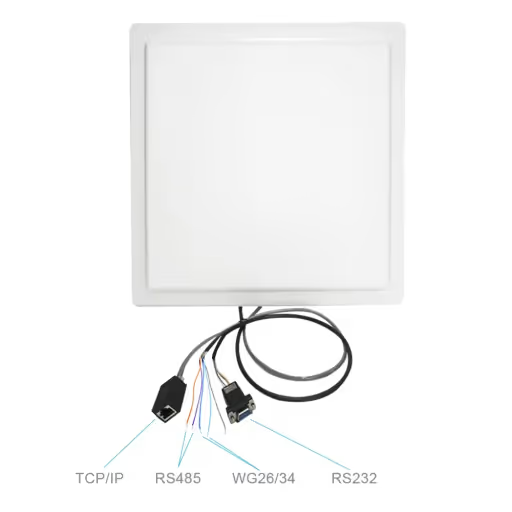
Comprehensive guide to RFID reader and UHF RFID reader types, antennas, and selection. Covers fixed readers, handheld devices, UHF RFID reader software, integration software, and antenna types for optimal RFID solutions.
View →

service
RFID Integration Solutions for Your Business
Unlock your business potential with RFID integration solutions. Achieve 99% inventory accuracy and cut costs by up to 50%. Contact us for customized quotes.
View →

product
Effective RFID Waste Management System for Smart Cities
Optimize waste collection with RFID Waste Management System: UHF tags (10m range), real-time GPS tracking (<5m accuracy), 30% fuel savings. Contact for demo.
View →
Frequently Asked Questions
How do signal-blocking wallets prevent electronic pickpocketing and unauthorized card skimming?
Can an signal-blocking wallet protect UHF RFID long-range cards or key fobs?
Is skimming a genuine risk compared to online payment fraud in India?
Reader Comments
Be the first to share your thoughts.