
RFID Solutions
RFID Integration vs Traditional Barcode Systems
Modern Asset Tracking: Choosing the Right Solution
- RFID Technology
- Barcode Systems
- Asset Tracking
- RFID vs Barcode
- RFID Softwares
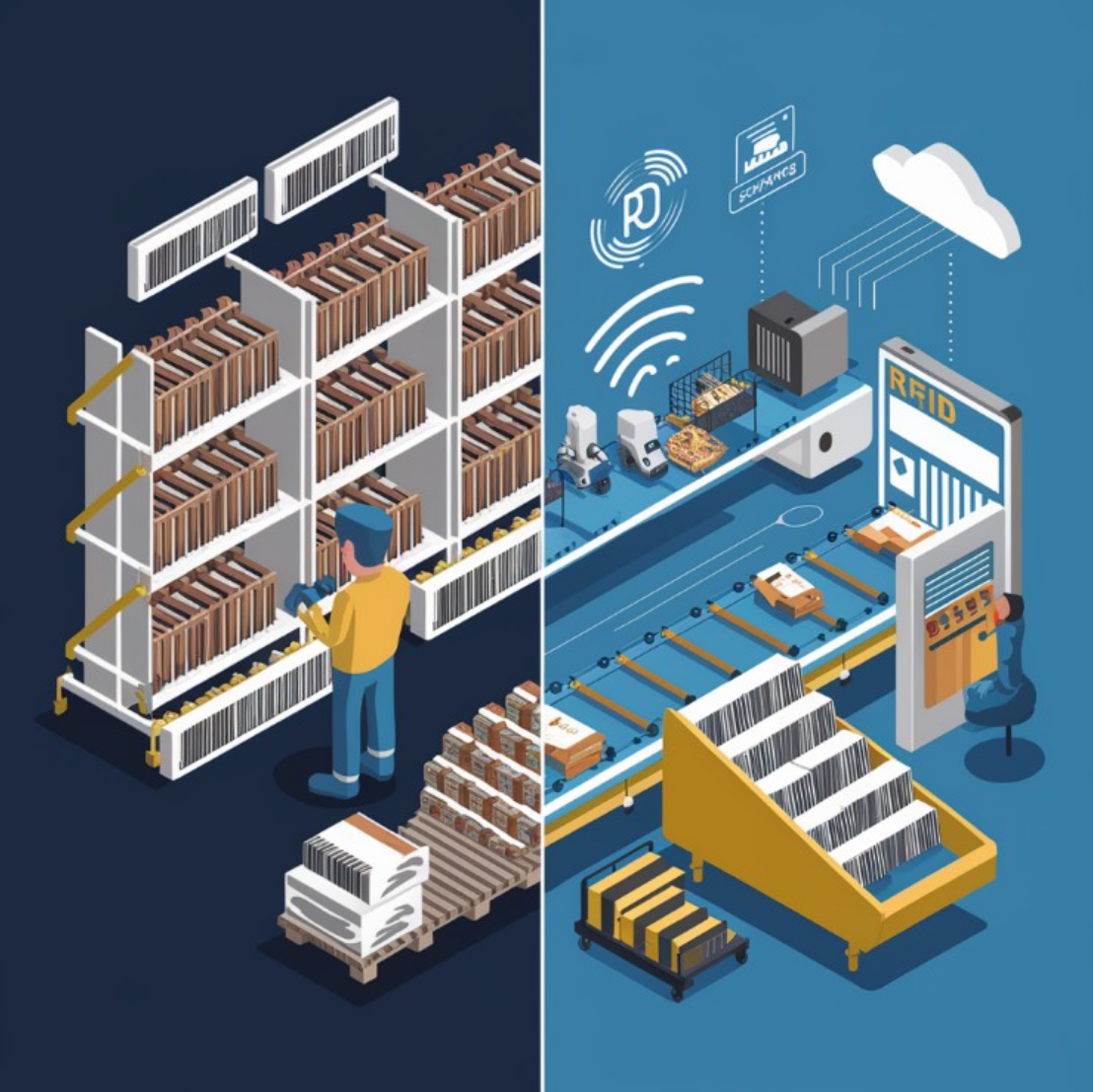
RFID integration represents a significant shift in asset tracking and inventory management, offering potential improvements over traditional barcode systems. Careful consideration of implementation costs and complexities is crucial when considering RFID integration. Successfully navigating RFID integration requires a thorough understanding of its strengths in scanning speed, range, and durability, as well as addressing potential challenges related to data security and environmental interference. The ultimate goal of RFID integration is to maximize efficiency, reduce operational costs, and enhance overall business performance. Businesses should prioritize a strategic approach to RFID integration, aligning it with specific needs and requirements to achieve optimal results.

Technology & Operation
RFID integration provides the automation backbone for streamlined processes, enhancing task completion efficiency. The non-line-of-sight reading capability inherent in RFID technology eliminates the requirement for direct visual contact, further boosting efficiency. Crucially, RFID's multiple tag detection allows for simultaneous identification of numerous items. This concurrent tag detection capability is essential for high-volume operations relying on RFID, ensuring fast and accurate processing of large quantities of items.

Implementation & Cost
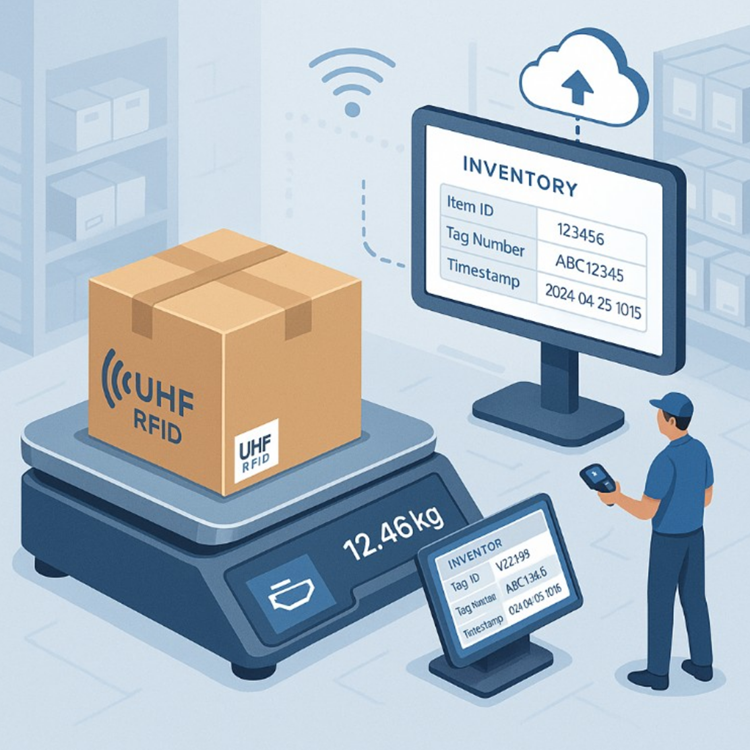
Higher costs of hardware can be a barrier to RFID integration, requiring justification through potential ROI, and careful planning and employee training are crucial for successful RFID integration. Warehouses are a prime example of environments where RFID integration yields a strong ROI, allowing businesses to gain a competitive edge. RFID integration reduces labor expenses by automating tracking processes and allowing employees to focus on more important tasks, like increased production, while also providing enhanced supply chain visibility for better decision-making.

Performance & Accuracy
Successful RFID integration requires: Tag Selection (right type/frequency for environment/materials); Reader Placement/Antenna Config (optimize reads, minimize interference); Data Integration (seamlessly connect with existing systems, manage data); Security (protect data via encryption/controls); Environmental Considerations (account for temp/humidity); Tagging Strategy (consistent guidelines/standards); Pilot Testing/Optimization (real-world evaluation, continuous improvement); Training/Support (personnel training, issue resolution); Cost Analysis (consider all expenses, ROI assessment); Compliance (meet relevant standards).
Use Cases & Applications
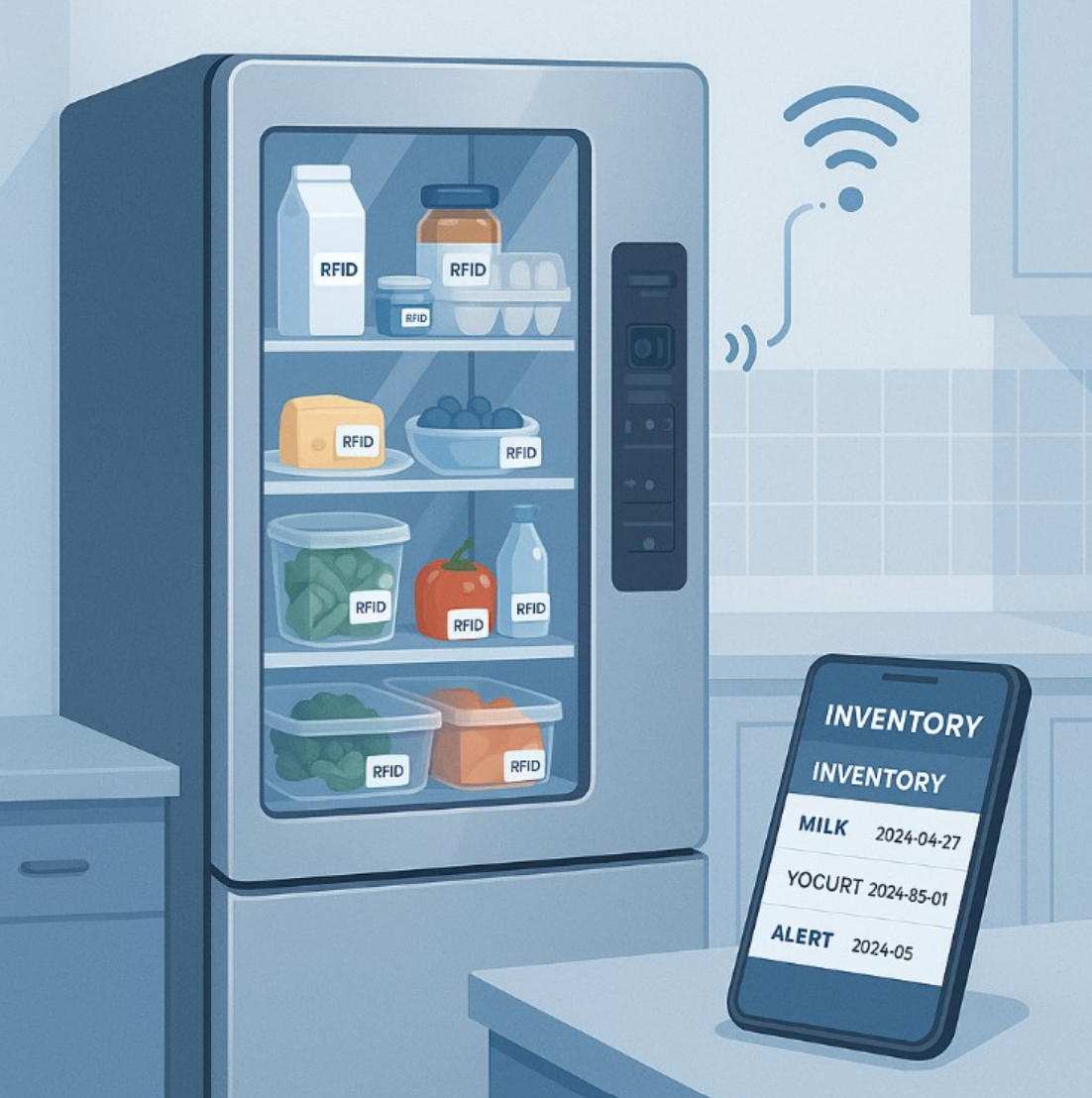
Healthcare: Asset tracking improves efficiency, reduces loss. Integrate tags, readers, software for alerts/reporting. Supply Chain: Full visibility enables better inventory, faster fulfillment. Integrate tags, readers, EPCIS, ERP for real-time data. Retail: Tracking improves stock, fulfillment, CX. Integrate tags, readers, POS, analytics for loss prevention, self-checkout. Considerations: Tag/reader type, frequency (LF/HF/UHF), middleware, security, standards, cost, POC, training.
Future Outlook & Recommendation
RFID technology is evolving with IoT integration and AI capabilities. For large-scale operations, healthcare facilities, and modern retail, RFID is the future-proof choice. Small businesses can start with barcodes and transition to RFID as they scale. Consider your operational needs, budget, and growth plans when choosing between these technologies.
Reader Comments
Be the first to share your thoughts.