
RFID Solutions
RFID Readers and Antennas: A Complete Guide to Selection and Implementation
Understanding Different Types of RFID Readers and Antennas for Optimal Performance
- RFID Technology
- RFID Readers
- RFID Antennas
- System Design
- RFID Softwares
- how to select RFID readers and antennas
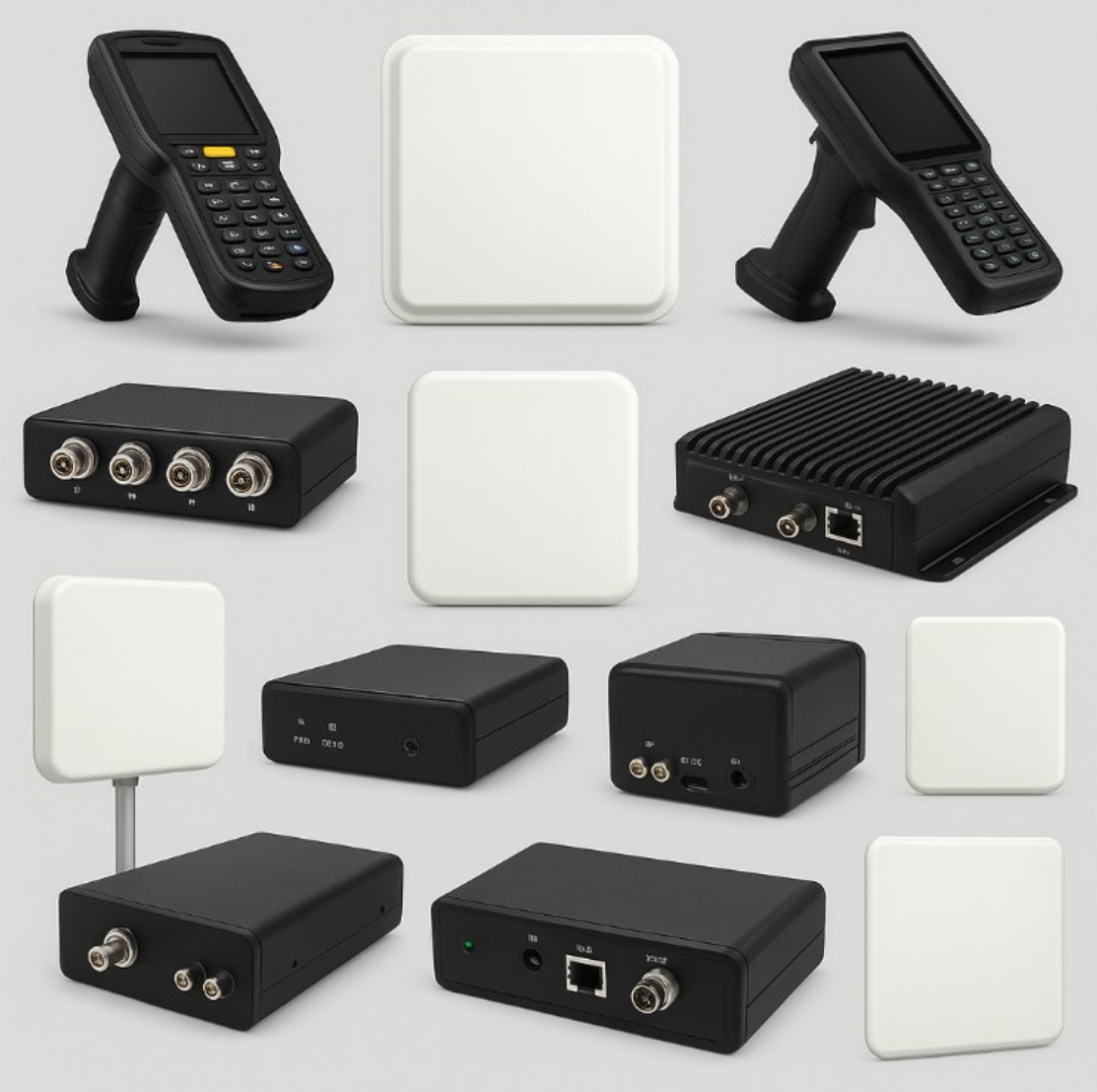
RFID readers and antennas form the backbone of any RFID system, serving as the critical components that enable communication between the system and RFID tags. Understanding the different types of RFID readers and antennas, along with their specific applications and selection criteria, is essential for designing effective RFID solutions. From fixed readers mounted in warehouses to portable handheld devices for field operations, each type serves distinct purposes. Similarly, antenna selection plays a crucial role in determining read range, accuracy, and overall system performance. This guide explores the various types of RFID readers and antennas, their characteristics, and provides practical guidance for choosing the right components for specific applications.
Understanding RFID Readers (Interrogators)
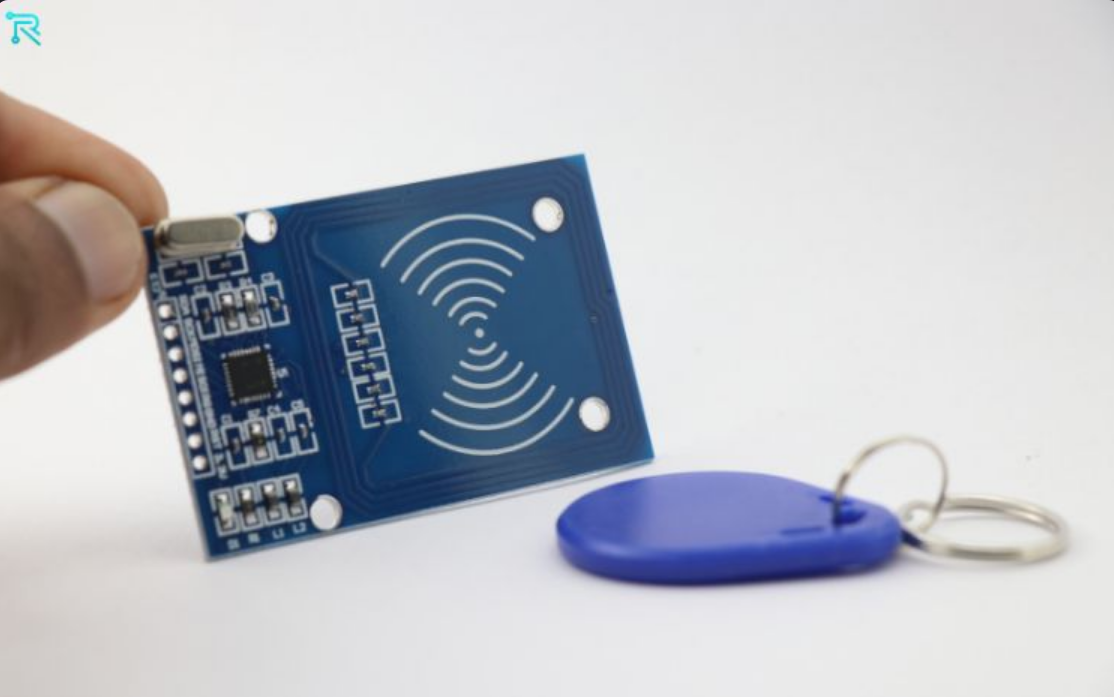
RFID readers, also known as interrogators, are devices that read and sometimes write to RFID tags. They serve as the communication bridge between the RFID system and the tags, transmitting radio frequency signals and receiving responses. The choice of RFID reader significantly impacts system performance, read range, and overall functionality. Readers vary in size, power, connectivity options, and processing capabilities. Understanding the different types of RFID readers is crucial for selecting the right solution for specific applications. From enterprise-grade fixed readers to portable handheld devices, each type offers unique advantages and is suited for particular use cases.
Fixed RFID Readers
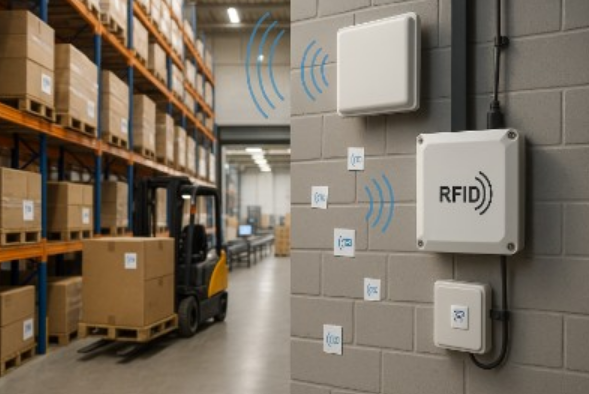
Fixed RFID readers are permanently mounted devices designed for continuous operation in specific locations. They are typically installed in gates, portals, walls, or other fixed structures where consistent RFID reading is required. Fixed readers offer high power output, extended read ranges, and robust performance for demanding environments. They are ideal for warehouses, manufacturing facilities, toll booths, access control points, and retail stores. These readers can handle high-volume tag reading and are designed for 24/7 operation. Fixed readers often support multiple antennas and can be integrated with existing enterprise systems for comprehensive asset tracking and inventory management.

Handheld RFID Readers
Handheld RFID readers provide portability and flexibility for mobile RFID applications. These battery-powered devices feature built-in displays, keypads, and often include additional scanning capabilities like barcode reading. Handheld readers are perfect for inventory management, field asset tracking, retail floor operations, and mobile inspection tasks. They offer the advantage of mobility while maintaining RFID reading capabilities. Modern handheld readers often include wireless connectivity options, GPS functionality, and rugged designs for industrial use. Popular models include devices from Zebra, Honeywell, and other leading manufacturers, with prices ranging from ₹30,000 to ₹125,000 depending on features and capabilities.
Integrated and Specialized Readers
Integrated RFID readers combine the reader and antenna into a single unit, offering space-saving solutions for entry-level applications and environments with limited space. Sled readers attach to smartphones and tablets, transforming mobile devices into RFID readers for retail and field scanning applications. USB readers provide plug-and-play connectivity for desktop applications, access control systems, point-of-sale terminals, and kiosks. Each type serves specific use cases: integrated readers for simple installations, sled readers for mobile flexibility, and USB readers for desktop integration. Selection depends on application requirements, space constraints, and integration needs.
RFID Antennas: Types and Characteristics
RFID antennas are critical components that transmit and receive radio frequency signals between readers and tags. They must match the frequency of the RFID system (UHF, HF, or NFC) and are designed for specific applications. Circular polarized antennas are ideal for environments with varied tag orientations, such as moving conveyor belts or unpredictable tag positioning. They provide consistent reading regardless of tag orientation but offer shorter read ranges. Linear polarized antennas provide better focused range and are more efficient when tags are properly aligned. Near-field antennas are designed for short-range, high-precision scanning applications where close proximity reading is required.
Antenna Selection Criteria
Choosing the right RFID antenna involves considering several key factors. Frequency compatibility is paramount - antennas must match the RFID system's frequency (UHF, HF, or NFC). Read range requirements determine antenna gain and power needs. Environmental factors such as temperature, humidity, and exposure to chemicals influence antenna selection. Installation location and mounting options affect antenna type and size. For applications with moving tags or varied orientations, circular polarized antennas are preferred. For applications with fixed tag orientations and longer read ranges, linear polarized antennas are more suitable. Near-field antennas are ideal for high-precision, short-range applications like access control or item-level tracking.
Reader Selection Guidelines
Selecting the appropriate RFID reader requires careful consideration of application requirements. For warehouse and manufacturing environments, fixed readers with high power output and multiple antenna support are ideal. Retail applications benefit from handheld readers for inventory management and sled readers for mobile point-of-sale operations. Access control systems typically use USB readers or integrated solutions. Field operations require rugged handheld readers with extended battery life and wireless connectivity. Consider factors such as read range requirements, tag density, environmental conditions, integration needs, and budget constraints. Performance requirements, including read speed and accuracy, should align with business objectives and operational workflows.
Implementation Best Practices
Successful RFID reader and antenna implementation requires careful planning and execution. Conduct thorough site surveys to understand environmental conditions and interference sources. Test reader and antenna combinations in real-world conditions before full deployment. Ensure proper antenna positioning and orientation for optimal performance. Consider power requirements and network connectivity for fixed installations. Implement proper grounding and shielding to minimize interference. Regular maintenance and calibration ensure consistent performance over time. Training personnel on proper operation and troubleshooting procedures is essential for long-term success. Monitor system performance and adjust configurations as needed to optimize read rates and accuracy.
Reader Comments
Be the first to share your thoughts.